
Learn the essential defensive driving techniques in Tanzania for 2025. Stay safe while sharing roads with boda bodas, trucks, and navigating rough terrain.
Why Defensive Driving Matters in Tanzania
Driving in Tanzania is not just about getting from point A to B—it's about navigating a dynamic mix of traffic conditions, unpredictable weather, and varied road users like boda bodas (motorcycle taxis), overloaded trucks, and livestock crossings. Whether you're a new driver or a seasoned one, adopting a defensive driving mindset is critical for staying safe on the road.
Thanks to resources like cartanzania.com, Tanzanian drivers can stay informed on driving tips, vehicle choices, and second-hand car deals perfect for local road conditions.
Understanding Tanzania’s Driving Environment
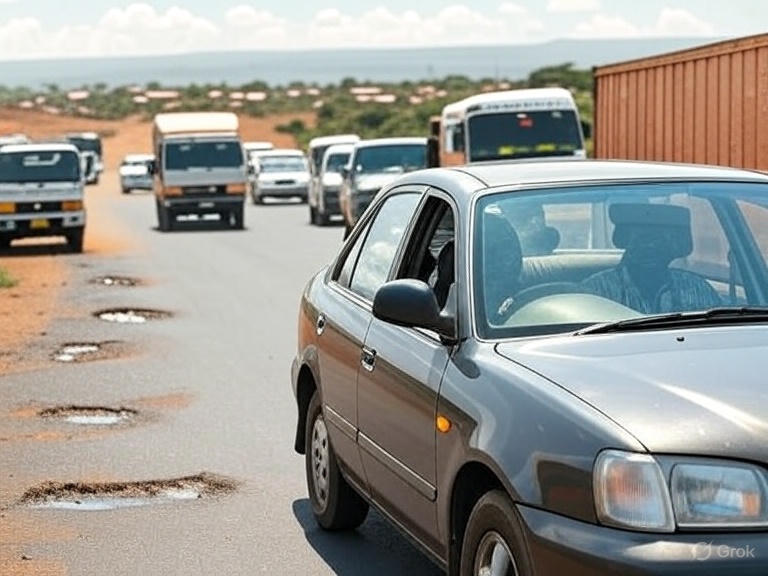
Tanzania’s roads offer a blend of modern highways, gravel roads, and rural paths. Some key challenges drivers face include:
-
Sudden movements by boda boda riders
-
Poor road signage or faded markings
-
Limited street lighting in rural areas
-
Heavy-duty trucks with unpredictable behavior
-
Potholes and flooding during the rainy season
Being aware of these realities is the first step in mastering defensive driving.
How to Handle Boda Bodas Safely
1. Anticipate Unpredictable Behavior
Boda bodas often weave through traffic, ride on sidewalks, or make sudden stops. Defensive strategies include:
-
Keep extra distance: Maintain a wider buffer zone than you would for cars.
-
Use mirrors frequently: Always check blind spots before turning or changing lanes.
-
Expect them at intersections: Slow down when approaching junctions and roundabouts.
2. Communicate Clearly
Use your indicators early and consistently. Boda bodas often respond to visual cues rather than anticipating your next move.
Tip: Vehicles with high visibility, such as white or brightly colored cars like those listed on cartanzania.com, are easier for boda riders to spot in crowded traffic.
Driving Defensively Around Trucks
1. Avoid Blind Spots
Trucks have large blind spots, particularly on the sides and rear. If you can’t see the truck’s mirrors, the driver can’t see you either.
2. Give Space for Turning
Large trucks need extra room to make turns. Never attempt to squeeze through while they are turning.
3. Don’t Tailgate
Maintain a longer following distance. Not only do trucks take longer to stop, but they also kick up debris on unpaved roads, which can damage your car.
Read more here about essential car maintenance tips if you frequently drive behind trucks on dusty roads.
Managing Hazardous and Poorly Maintained Roads
1. Drive Slower on Gravel or Pothole-Ridden Roads
Speed reduces your reaction time. Slow down when you see uneven road surfaces, standing water, or mud.
2. Use Headlights Wisely
In rural areas, many roads lack streetlights. Use low beams to avoid blinding oncoming drivers and high beams when the road is empty.
3. Watch Out for Animals
Especially in regions like Morogoro or Dodoma, livestock may wander onto the road. Stay alert and reduce your speed in rural zones.
Weather-Related Hazards: Rain, Fog, and Heat
Rain
-
Turn on headlights (not high beams).
-
Use windshield wipers and defoggers.
-
Avoid sudden braking.
Fog
-
Use low beams and fog lights if available.
-
Increase following distance.
-
Use reflective road markers as guides.
Extreme Heat
-
Check tire pressure regularly.
-
Ensure your coolant system is functional.
-
Park in shaded areas to protect the car’s interior and electronics.
Essential Car Features for Defensive Driving in Tanzania
When buying a car in Tanzania, prioritize features that enhance safety and comfort in the local environment:
Feature Benefit Anti-lock Braking System Prevents skidding on slippery roads Rear-View Camera Helps spot boda bodas and obstacles Daytime Running Lights Improves visibility to other drivers Ground Clearance Ideal for rough or flooded roads Air Conditioning Critical for comfort during extreme heatTo find second-hand vehicles with these features, explore listings on cartanzania.com.
Tips to Stay Alert While Driving
-
Avoid distractions: Put your phone on Do Not Disturb.
-
Take breaks: Every two hours on long trips.
-
Stay hydrated: Especially in hot regions like Dodoma and Singida.
-
Listen to calm music: It helps reduce road rage and fatigue.
How to React in Emergency Situations
If You Skid
-
Ease off the accelerator.
-
Steer in the direction you want to go.
-
Avoid slamming the brakes.
If a Truck Breaks Down Ahead
-
Signal early.
-
Use hazard lights.
-
Change lanes cautiously or stop if visibility is poor.
If a Boda Collides with You
-
Stay calm and call emergency services.
-
Document the scene and notify your insurer.
-
Don’t attempt to flee or confront the rider.
Defensive Driving Tips for New Car Owners
-
Practice with an experienced driver on unfamiliar roads.
-
Inspect your car regularly: brakes, tires, wipers, and fluid levels.
-
Carry emergency supplies: first aid kit, flashlight, triangle, jack.
FAQs
1. What’s the best time to drive in urban Tanzania?
Avoid rush hour (7:00–9:00 AM and 4:00–6:30 PM). Mid-morning or early afternoon is safer and less congested.
2. Are there defensive driving courses in Tanzania?
Yes. Organizations like NIT (National Institute of Transport) offer driving improvement programs tailored to Tanzanian roads.
3. How can I report reckless boda boda riders?
Use the local traffic police hotline or report to the nearest station. Videos or photos can help if it’s safe to capture them.
4. What’s the minimum safety equipment I should keep in my car?
Essential items include a warning triangle, spare tire, fire extinguisher, and a reflective jacket.
5. Which cars are best suited for defensive driving in Tanzania?
Reliable choices include the Toyota RAV4, Subaru Forester, and Nissan X-Trail—all available on cartanzania.com.
6. Is comprehensive insurance necessary?
While only third-party insurance is mandatory, comprehensive coverage is highly recommended, especially for new drivers and areas with heavy traffic.
Conclusion: Stay Smart, Stay Safe
Defensive driving in Tanzania isn’t optional—it’s essential. Between unpredictable boda bodas, lumbering trucks, and inconsistent road conditions, a calm, alert, and proactive driving style can save lives and money. Combine this with a vehicle well-suited to the terrain—many of which you can find on cartanzania.com—and you’re set for safer journeys in 2025 and beyond.