
Tanzania is developing a stronger foundation for electric transportation as interest in electric vehicles grows across the country. The emerging Tanzania E-Mobility sector is particularly active in electric motorcycles and three-wheelers, while new rules for charging stations and battery swapping are designed to make electric transport safer and easier to expand.
The Energy and Water Utilities Regulatory Authority (EWURA) published its E-Mobility Guidelines for Charging Stations and Battery Swapping in April 2026. The framework covers two-, three-, and four-wheel electric vehicles as well as electric vans, buses, and trucks.
Tanzania's Electric Vehicle Market Is Growing
The Tanzania E-Mobility market has developed rapidly in the two- and three-wheeler segment. AfEMA's 2025 data estimated around 10,000 electric two- and three-wheelers in Tanzania, placing the country among the leading markets in East Africa for this vehicle category.
This is important because motorcycles and three-wheelers play a major role in everyday transportation and commercial activity. Electric versions can potentially reduce fuel expenditure for operators while creating demand for battery services, charging facilities, repairs and specialised technical skills.
More than just vehicle sales are therefore shaping the market. Training institutions, technology companies, importers and service providers are becoming part of a wider automotive ecosystem.
Focus on Charging and Battery Swapping
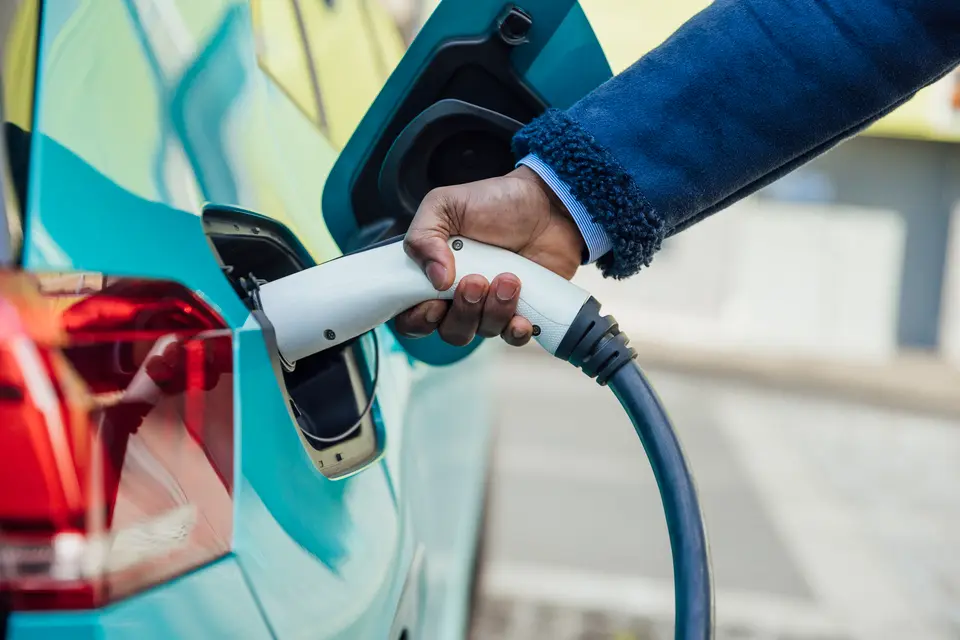
The new EWURA guidelines aim to provide a regulatory framework for charging and battery-swapping infrastructure that is safe, reliable, accessible, interoperable and affordable. They also seek to prepare electricity distribution networks for increasing EV charging demand.
For drivers, reliable charging infrastructure will be essential. Electric vehicles cannot achieve widespread use if owners cannot conveniently recharge or exchange batteries during longer journeys.
Building a Safer EV Charging Network
The Tanzania E-Mobility framework establishes requirements covering electrical connections, charging equipment, safety procedures, and station construction. Operators must address issues such as damaged charging cables, overheating and electrical faults, while charging sites must meet applicable planning and regulatory requirements.
The guidelines also provide indicative space requirements for different types of charging facilities. Small stations with two chargers are recommended to have roughly 40–60 square metres, while larger fast-charging facilities require considerably more space.
This creates opportunities for businesses involved in charging infrastructure, property development, electrical installation and energy services.
Opportunities for Tanzania's Automotive Industry
The expansion of Tanzania E-Mobility could also influence the wider automotive sector. EWURA's framework specifically supports the safe conversion of internal-combustion vehicles to electric power, creating potential opportunities for technicians, workshops and local businesses.
Companies could also participate in vehicle assembly, battery servicing, charging operations, software and maintenance. For additional African automotive coverage, readers can explore AfriCarGroup.
Technical training will become increasingly important as EV numbers increase. Tanzania's recent multi-sector discussions have also brought together government and private-sector participants, including EV manufacturers, importers and distributors, to examine opportunities and challenges surrounding electric transport.
EV Adoption Still Faces Challenges
The Tanzania E-Mobility transition will not happen without obstacles. Upfront vehicle costs, charging availability, technical skills, battery management and access to financing remain important considerations.
Battery-swapping networks may be particularly relevant for commercial two- and three-wheelers because they can reduce waiting time compared with conventional charging. However, operators still need reliable battery standards, safe facilities and systems for monitoring battery condition.
The country's electricity supply and charging infrastructure will also need to expand alongside vehicle adoption so that increased EV demand can be accommodated reliably.
Conclusion
The Tanzania E-Mobility market is moving beyond individual electric vehicles toward a broader transport and energy ecosystem. With more than 10,000 electric two- and three-wheelers already estimated in the country and new EWURA guidelines establishing rules for charging and battery swapping, Tanzania is creating a clearer framework for further development.
As infrastructure, technical training, and private investment develop, electric motorcycles, three-wheelers, cars, buses, and commercial vehicles could become a larger part of Tanzania's automotive landscape.
What do you think will drive EV adoption in Tanzania most strongly: cheaper vehicles, more charging stations, or better battery-swapping networks? Share your thoughts in the comments.