

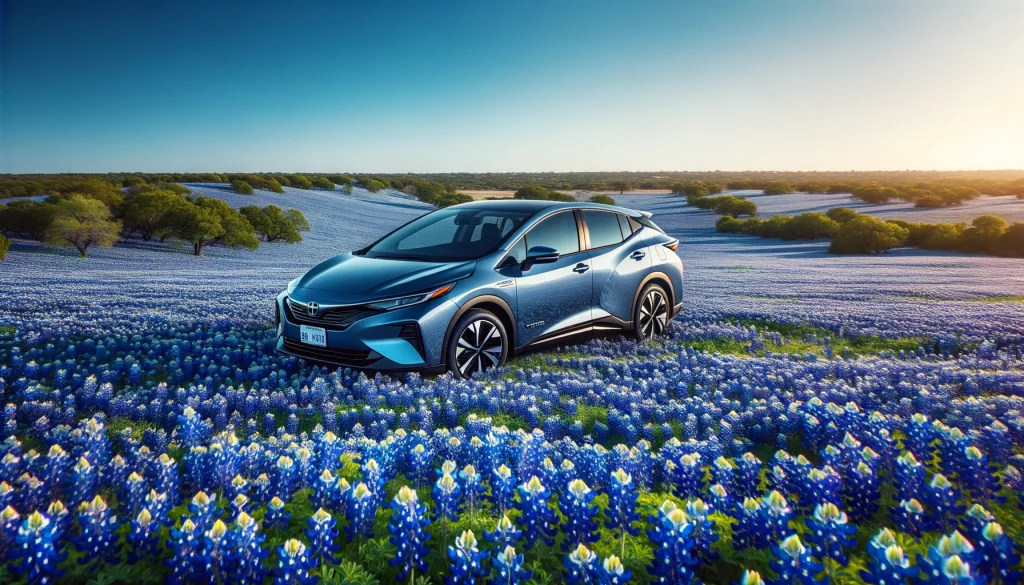
The market for Tanzania electric vehicles is steadily expanding as drivers and businesses explore cleaner and more affordable transport options. Electric vehicles (EVs) are gaining attention across Tanzania thanks to lower fuel costs, reduced maintenance, and increasing environmental awareness.
Compared with traditional petrol vehicles, EVs can dramatically reduce operating expenses. For example, charging an electric three-wheeler in Tanzania may cost around $1.50, while fueling a similar petrol-powered vehicle can cost more than $7. This cost advantage is one of the main reasons why Tanzania electric vehicles are attracting interest among urban commuters, delivery companies, and taxi operators.
With new models entering the market and government discussions around greener transport policies, electric mobility is gradually becoming part of Tanzania’s automotive future.
Electric cars available in Tanzania
A variety of electric and hybrid vehicles are already being imported into the country, giving buyers several choices depending on their budget and driving needs.
Affordable EV options for city drivers
One of the most popular EV models in the country is the Nissan Leaf, widely known as an affordable entry-level electric car. Many used units imported into Tanzania are priced between $8,000 and $12,000, making them attractive for city commuters.
The Toyota Prius Plug-in Hybrid is another widely used option. Although it combines an electric motor with a gasoline engine, it still offers improved efficiency and lower fuel consumption compared with conventional cars. This flexibility makes it suitable for both city driving and longer trips across Tanzania.
At the premium level, the Hyundai Kona Electric offers extended range and modern technology. With a price range between $14,000 and $20,000, it provides better long-distance capability and advanced driver features.
These models demonstrate how Tanzania electric vehicles are gradually expanding beyond niche markets into everyday transportation.
Electric three-wheelers transforming urban mobility
Beyond passenger cars, electric three-wheelers and motorcycles are playing an important role in Tanzania’s EV ecosystem.
Locally assembled electric transport
The TRÍ E2 electric three-wheeler, assembled in Dar es Salaam, is designed specifically for urban transport and delivery services. Priced around $3,500, it offers more than 100 kilometers of range per charge and can reach speeds of about 40 km/h.
For taxi drivers and small businesses, the operating cost advantage is significant. Driving 20 kilometers in an electric three-wheeler costs about $0.20, compared with roughly $1.20 for petrol-powered versions.
With hundreds of thousands of petrol-powered three-wheelers currently operating in Tanzania, switching to electric models could significantly transform the urban transport sector.
Importing electric vehicles into Tanzania
Buying an EV often involves importing the vehicle from abroad, and the process requires several steps.
Documents and procedures
To import a vehicle, buyers must complete customs declarations through the Tanzania Customs Integrated System (TANCIS) and work with a licensed clearing agent. Required documents typically include:
-
Final commercial invoice
-
Vehicle registration documents
-
Bill of lading or shipping documents
-
Pre-shipment inspection certificate
-
Taxpayer Identification Number (TIN)
Pre-shipment inspections conducted by approved agencies are mandatory before the vehicle can enter Tanzania.
Import taxes and costs
Import taxes can be significant. Vehicles with engine capacity equivalent to 2,000 cc may face about 25% import duty plus 20% VAT, while larger vehicles may face total taxes of up to 65% of the vehicle value.
Despite these costs, many buyers still consider EVs worthwhile due to their lower long-term operating expenses.
Charging infrastructure and challenges
While interest in Tanzania electric vehicles continues to grow, several challenges remain.
Limited charging stations
Public charging infrastructure is still limited, especially outside Dar es Salaam. Some pilot charging stations have been installed in key areas, and new partnerships aim to expand the network across major transport hubs.
For now, most EV owners rely on home charging systems, typically using overnight charging through residential electricity connections.
Battery performance and maintenance
EV batteries can last many years if properly maintained. Experts estimate average battery degradation of about 1.8% per year, meaning many batteries can last nearly two decades under normal conditions.
However, Tanzania’s hot climate can accelerate battery wear, making proper cooling systems and responsible charging practices essential.
The future of electric mobility in Tanzania
The rise of Tanzania electric vehicles reflects a broader shift toward sustainable transportation across Africa. Lower energy costs, reduced emissions, and improved vehicle technology are encouraging drivers to consider electric mobility.
With better charging infrastructure, supportive policies, and wider availability of EV models, the Tanzanian electric vehicle market is expected to grow significantly in the coming years.
For more insights on the African car industry and electric mobility trends, visit AfricaCarNews.
Would you consider buying an electric car if charging stations expanded across Tanzania? Share your thoughts in the comments and join the conversation!