
As of early 2026, the skyline of Dar es Salaam is being redefined not just by its architecture, but by a silent, blue-flamed revolution in its transport sector. Facing the dual pressures of global oil price volatility and rapid urbanization, Tanzania has pivoted aggressively toward its domestic natural gas reserves. The scaling of CNG Infrastructure has moved from a pilot phase into a core national strategy, aimed at providing a cleaner, cheaper, and more reliable energy source for the city’s millions of commuters.
The Economic Engine Of Natural Gas
The primary driver behind the rapid expansion of CNG Infrastructure is the undeniable economic benefit for both the state and the individual. In 2026, reports indicate that switching from petrol to compressed natural gas (CNG) saves Tanzanian motorists and fleet operators up to 40% in fuel costs. For a city like Dar es Salaam, where the "daladala" minibuses and the Dar Rapid Transit (DART) system form the backbone of the economy, these savings translate into lower fares and increased profit margins for operators.
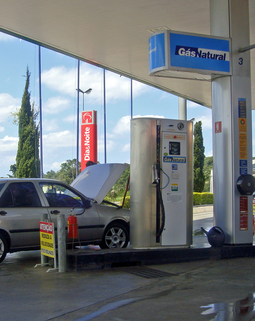
The Tanzania Petroleum Development Corporation (TPDC) recently inaugurated one of Africa’s largest "Mother Stations" near the University of Dar es Salaam. This facility is a cornerstone of the modern CNG Infrastructure, capable of refueling up to 1,200 vehicles daily. By leveraging domestic gas from the Lindi and Mtwara regions, Tanzania is successfully insulated from the foreign exchange shocks that typically accompany imported liquid fuels.
Decarbonizing The DART System
A critical milestone in 2026 is the full integration of gas-powered engines into the Dar Rapid Transit (DART) Phase 2. The government has recently commissioned a new fleet of high-capacity articulated buses that run exclusively on natural gas. According to the latest industry insights on AfriCarNews, these buses reduce carbon dioxide emissions by approximately 20% compared to their diesel predecessors, while virtually eliminating the thick particulate matter often seen in urban "smog."
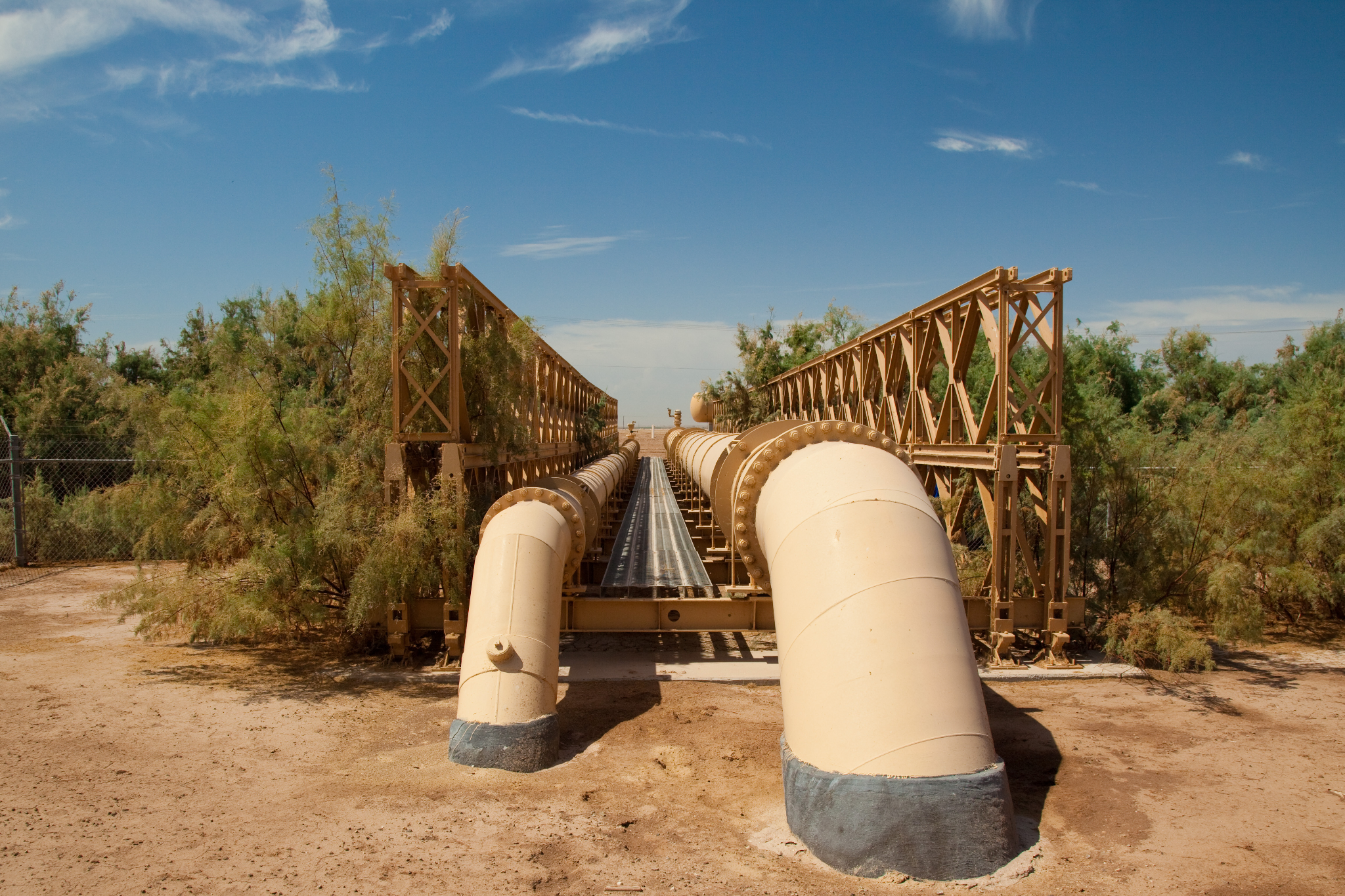
To support this fleet, the development of "Daughter Stations"—smaller refueling points fed by virtual pipelines (truck-mounted gas cylinders)—is currently underway along the Morogoro Road and Bagamoyo Road corridors. This hybrid approach to CNG Infrastructure ensures that even as the city grows, the refueling network can expand without the immediate need for expensive underground pipeline excavations in densely populated areas.
Overcoming The "Range Anxiety" Gap
While the transition is well underway, the biggest hurdle for 2026 remains the "refueling queue." As the number of converted vehicles in Tanzania surpassed 15,000 this year, the demand for fast-fill dispensers has skyrocketed. To address this, the government has simplified the licensing process for private investors, leading to a surge in hybrid retail stations that offer CNG alongside traditional petrol and diesel.
Investment in the CNG Infrastructure is also fostering a secondary market for vehicle conversion kits and specialized mechanical training. Local institutions, like the Dar es Salaam Institute of Technology (DIT), have become hubs for certifying "gas-ready" technicians, ensuring that the transition is supported by a skilled local workforce. As more private companies enter the fray to build the planned 60 additional stations by 2027, the era of long queues is expected to end, firmly establishing natural gas as the new standard for East African urban mobility.
With fuel savings reaching 40%, do you think the Tanzanian government should mandate a 100% CNG conversion for all commercial taxis by 2030? Join the conversation in the comments below!