

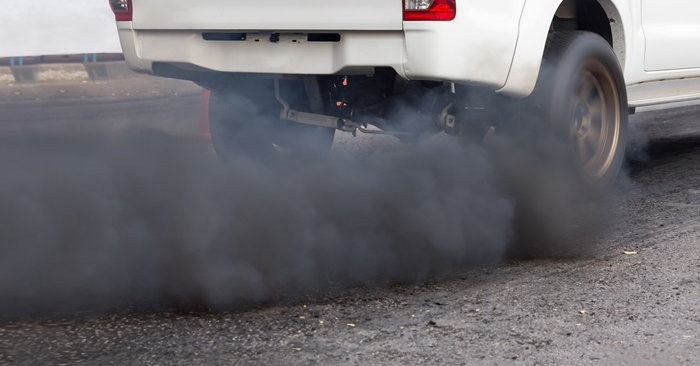
In 2025, Tanzania introduced a bold fiscal shift by implementing the Tanzania vehicle tax on imported cars as part of a broader health financing strategy. Designed to channel revenue into the national HIV response, this policy has sparked vigorous discussion across government, civil society, and everyday commuters. While the goal is to strengthen domestic health funding amidst declining donor support, critics argue it risks deepening transport pollution and widening inequality.
Government officials describe the Tanzania vehicle tax as critical to sustaining HIV programs without relying on fluctuating external aid. With thousands of vehicles entering the country annually, Tanzania sees the transport sector as a source of domestic revenue that can be tapped to support essential services. The levy applies to first-time vehicle registration and is expected to contribute significant funds to the national health budget.
Raising Revenue in a Changing Aid Landscape
As international donor contributions to HIV programs have declined, Tanzania faces pressure to find predictable domestic funding. The new Tanzania vehicle tax is part of a broader set of levies that include other sectors such as fuel and travel. This approach aims to secure a reliable funding stream for lifesaving treatments and prevention initiatives. However, the strategy has also raised urgent questions about fairness and effectiveness.
Many urban residents, especially those in congested cities like Dar es Salaam, feel the immediate effects of rising traffic and emissions. Daily exposure to exhaust from motorcycles, minibuses, and older imported vehicles contributes to respiratory issues among pedestrians, street vendors, and drivers alike. Despite this, the Tanzania vehicle tax structure currently focuses on engine capacity rather than vehicle age or emissions performance, making it a blunt tool for addressing urban air quality.
Pollution, Health, and Economic Strain
Environmental and public health advocates argue that taxing vehicles without penalising high emissions misses an opportunity to promote cleaner transport options. Under the existing policy, a newer car with a larger engine may incur higher taxes than an older, dirtier model with a smaller engine. This disconnect risks locking in older vehicles that contribute disproportionately to poor air quality and public health burdens.
Local voices at markets and bus stops often highlight the paradox: while the Tanzania vehicle tax supports HIV programs, the resulting pollution from heavy traffic exacerbates respiratory illnesses and strains health systems. In low-income neighbourhoods, increased transport fares and rising living costs further amplify the cost of this fiscal policy for everyday citizens.
Looking Forward: Policy Reform or Pricing Pollution?
There are ongoing calls for Tanzania to link the Tanzania vehicle tax to emissions standards, fuel efficiency, and cleaner alternatives. Policy analysts suggest that redirecting funds into sustainable transport infrastructure, emissions monitoring, and incentives for electric vehicles could help balance revenue needs with environmental and health goals. Tools like real-time air quality monitoring and stricter emissions testing are also seen as necessary complements to any transport levy.
Groups tracking automotive news and policy, such as AfricaCarNews, have highlighted how countries across the continent are navigating similar challenges. For Tanzania, the core question remains whether fiscal policy should simply extract money from vehicles or actively steer the transport sector toward a healthier, cleaner future.
Whether the Tanzania vehicle tax ultimately succeeds in funding health without worsening pollution depends on future reforms. Do you think this tax will improve public health or deepen transport problems? Share your thoughts in the comments below!